
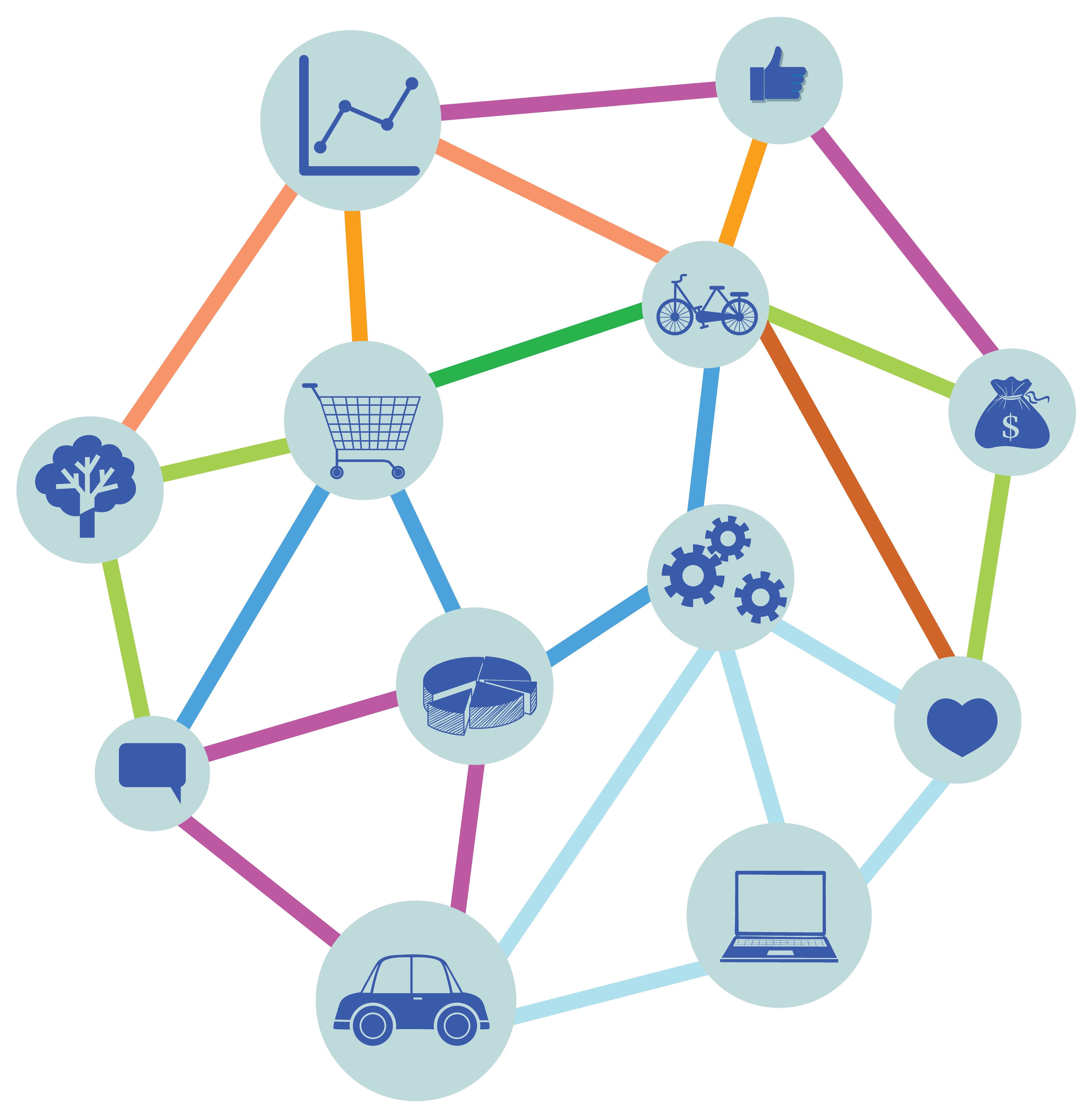
Today’s customers don’t stick to just one channel. They browse products on mobile, compare prices on desktop, ask questions on social media, and finally make purchases in-store or through an app. This is where omnichannel integration comes in.
Simply put, omnichannel integration connects all the customer touchpoints – online and offline into one unified experience. Instead of treating email, social media, websites, chat, and physical stores as separate entities, omnichannel brings everything together.
And the result? Happier customers, stronger relationships, and higher conversions.
What Is Omnichannel Integration?
Omnichannel integration is the process of connecting multiple communication and sales channels so customers can move between them seamlessly without losing context.
For example, a customer might:
- Start a conversation on live chat
- Continue it via email
- Complete a purchase on mobile
- Receive post-purchase support on WhatsApp
With proper omnichannel integration, all these interactions are linked in one system. The customer doesn’t have to repeat themselves, and your team has full visibility into their journey. That’s the power of omnichannel.
Why is Omnichannel Experience important?
Modern customers expect convenience and personalization. If your channels aren’t connected, it creates friction and friction drives customers away.
Here’s why omnichannel integration is critical:
1. Better Customer Experience
With omnichannel integration, customers enjoy a smooth and consistent journey across all platforms. Whether they start a conversation on chat and finish it over email, or browse products on mobile and purchase on desktop, everything stays connected. They don’t have to repeat their issues or re-enter information, which saves time and makes interactions feel effortless.
2. Increased Engagement
When customers can reach your brand on their preferred platform be it social media, website, or messaging apps they’re more likely to interact. Omnichannel experiences meet customers where they already are, making communication easier and more natural. This convenience encourages longer interactions and stronger relationships.
3. Higher Conversion Rates
A disconnected journey creates obstacles that stop people from completing purchases or inquiries. Omnichannel integration removes these barriers by guiding customers smoothly from discovery to decision. When everything flows seamlessly, customers feel confident taking action leading to higher conversions and better sales performance.
4. Unified Customer Data
Omnichannel systems bring all customer interactions into one central place. This gives businesses a complete view of customer behavior, preferences, and history. With unified data, teams can personalize communication, predict needs, and make smarter decisions instead of relying on scattered information.
5. Stronger Brand Loyalty
Customers remember how a brand makes them feel. When experiences are personalized, responsive, and consistent, trust grows. Over time, this trust turns into loyalty. Customers who feel understood and supported are far more likely to return and recommend your brand to others.
Omnichannel vs Multichannel: What’s the Difference?
Many businesses use multiple channels but that doesn’t automatically mean omnichannel.
Multichannel means being present on different platforms.
Omnichannel means those platforms are connected.
In multichannel setups, channels operate in silos. In omnichannel integration, everything works together. That difference is huge.
Key Components of Successful Omnichannel Integration
To implement omnichannel effectively, businesses need:
- Centralized CRM or customer database
- Integrated communication tools (email, chat, voice, social)
- Consistent branding across channels
- Real-time data syncing
- Automation for workflows and follow-ups
- These elements ensure every customer interaction feels connected and personalized.
Final Thoughts
Omnichannel integration isn’t just a buzzword-it’s a necessity in today’s digital-first world. Customers expect brands to remember them, understand them, and meet them wherever they are. Businesses that embrace omnichannel integration gain a competitive edge by delivering smoother journeys, building trust, and driving long-term growth.
If your channels are still operating separately, now is the time to bring them together. Because in modern customer experience, connection is everything.
